March 22, 2026
Building a prototype is never just an engineering challenge — it’s also a logistics one. This is something we learned firsthand when trying to source the right hardware for CosmoMeter.
The First Approach — and Why It Failed
Our initial plan was to use a commercially available Geiger counter with a built-in high-voltage driver. Simple and ready to integrate. The problem? Nearly all of them were out of stock, with lead times of 9 weeks or more. With our tight academic timeline, that wasn’t an option.
The Ideal Component — Also Unavailable
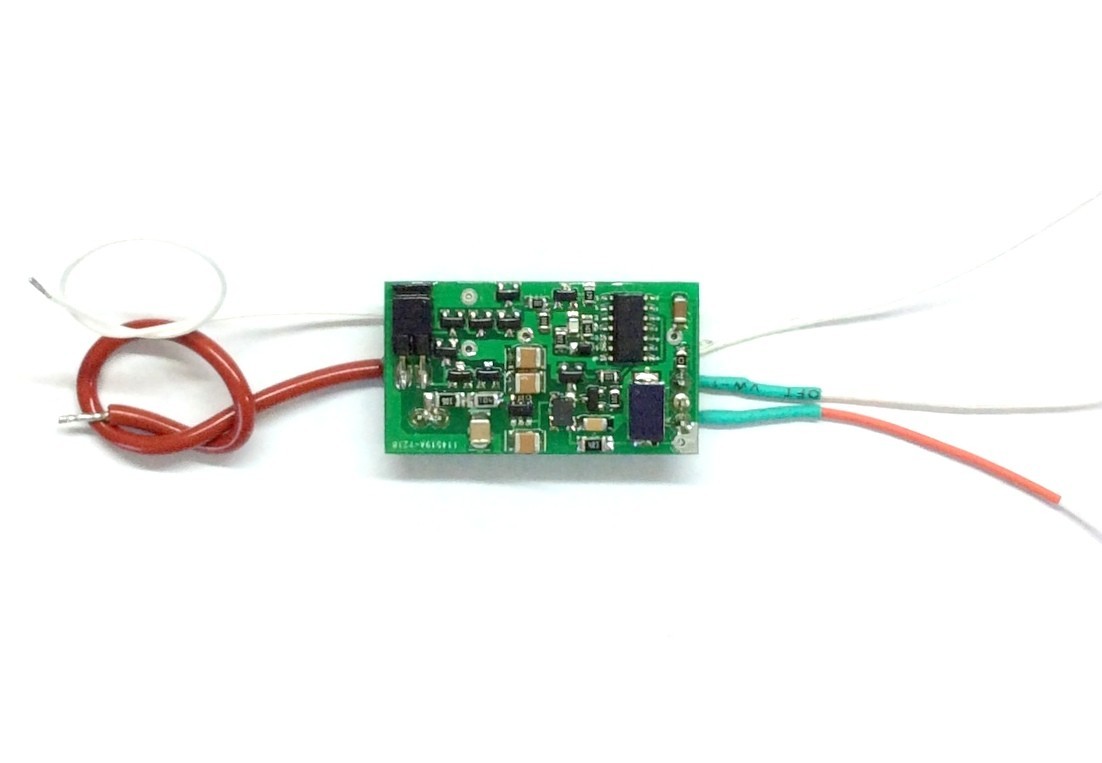
The natural next step was the RH Electronics Probe Driver — designed specifically for GM tubes like ours, with the exact voltage range and output we needed. The perfect component on paper. The problem is that RH Electronics is based in Israel and, since the conflict began in October 2023, international shipping has become unpredictable and unreliable. Not something we could depend on.
We searched everywhere: TME, Farnell, Mouser, RS Components, Amazon, and found no European equivalent. This is a niche product, and RH Electronics is essentially the only manufacturer at a global level.
The Compromise
We ended up with the FUBESK kit with the LND-712. Not ideal — it comes with a tube we don’t need — but it’s available, ships fast, and works with the right resistors.
The real cost was complexity. A module that should have been simple ended up requiring extra components and adaptations that wouldn’t have been necessary otherwise. We adapted, and the prototype moves forward — but it’s a good reminder that hardware development in the real world is as much about supply chains as it is about engineering.