March 5, 2026
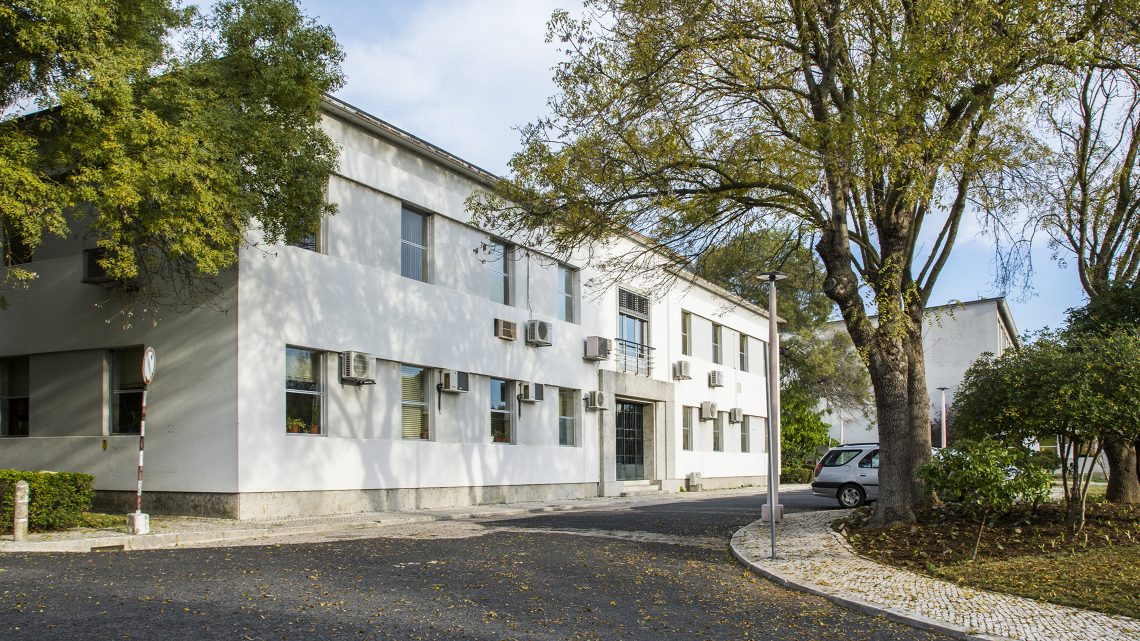
Today we visited the Campus Tecnológico e Nuclear (CTN) of Instituto Superior Técnico, and it turned out to be one of the most valuable experiences of the project so far.
The Facilities
We were welcomed by Professor Rui Manuel Coelho da Silva, who guided us through the nuclear physics area of the campus. He walked us through the equipment available, explained what kind of research is conducted there, and gave us a solid foundational understanding of how everything works. Seeing the facilities in person gave us a much clearer picture of what testing our sensor in a controlled radiation environment could look like.
Radiation at Cruising Altitude
We also discussed which types of radiation are most prevalent at the altitudes of commercial flights — typically between 10,000 and 12,000 metres. This was an important conversation for narrowing down exactly what our sensor needs to detect and prioritise.
Choosing the Right Sensor
A key topic was which type of sensor best fits our project. We explored two main options: Geiger counters and spectrometers such as the CUBE527. A Geiger counter measures the quantity of radiation and while a larger detector means greater precision, it also means higher cost. Spectrometers are more expensive but offer something the Geiger cannot: the ability to observe the full radiation spectrum. We also got a look at the market landscape, with sensors available across a wide range of prices and use cases. One particularly interesting example was the FTLab Smart Geiger Counter, priced at €31.95 and connectable directly to a smartphone, a low-cost option worth keeping in mind.
An Unexpected Connection
Professor Rui introduced us to Professor Norberto José Sobral Catarino, a researcher who had worked on a project detecting lost radioactive samples in rough terrain, developed in collaboration with the Portuguese Air Force. The conversation was directly relevant to our own work and offered both technical insight and a real-world example of applied radiation detection in challenging environments.
In an incredibly generous gesture, Professor Norberto offered us a Geiger counter to use in our project. This is a significant boost and gives us a concrete tool to begin hands-on testing.
Looking Ahead
Before leaving, we invited both professors to the EletroCap fair and agreed to follow up with a formal email containing an official invitation and further details. We also arranged a potential follow-up visit to the CTN — something we’re already looking forward to.
All in all, this visit exceeded our expectations. We left with new knowledge, a clearer sensor strategy, a key piece of equipment, and two potential mentors in our corner.