VertexShell

VertexShell

IST Student Project
VertexShell logo

VertexShell

Aware. Active. Always.

An active safety helmet with self-healing mesh networking.

until ElectroDay

--days : --hrs : --min : --sec

About the Project

VertexShell is an active smart helmet engineered to eliminate “environmental blindness” in the world’s most demanding sectors, including mining and construction. Unlike traditional passive PPE, VertexShell creates a resilient, self-healing LoRa Mesh network where every helmet functions as a router. This “hopping” capability ensures that critical safety alerts reach supervisors even in signal-blocked tunnels or deep-earth environments where Wi-Fi and cellular signals fail. By integrating advanced sensor fusion, the device provides real-time detection of falls, toxic gases (CO/VOC), and high-voltage proximity, triggering immediate local alerts via LEDs and buzzers alongside automated SOS signals. Designed for the rigors of a full shift, its hot-swappable battery system delivers up to 16 hours of autonomy, ensuring that your team stays connected, protected, and visible, no matter how extreme the conditions.

Aware.

Intelligent Hazard Detection

Advanced sensor fusion constantly scans for toxic gases and atmospheric anomalies. It alerts your team to invisible airborne threats before they become life-threatening to ensure you stay ahead of the danger.

Active.

Instant Emergency Response

Safety shouldn't be passive. Integrated motion intelligence triggers an autonomous SOS alarm the second a fall or acute physical impact is detected. By automating the distress signal, we ensure a rapid response when every second counts.

Always.

Resilient Mesh Connectivity

Our decentralized Mesh architecture turns every helmet into an autonomous antenna. This creates a self-healing network that guarantees critical alerts reach their destination even in total signal dead zones where traditional Wi-Fi and cellular fail.


Project Proposal

Download the full project proposal document below.

EN Download Proposal (PDF) PT Descarregar Proposta (PDF)

Our Team

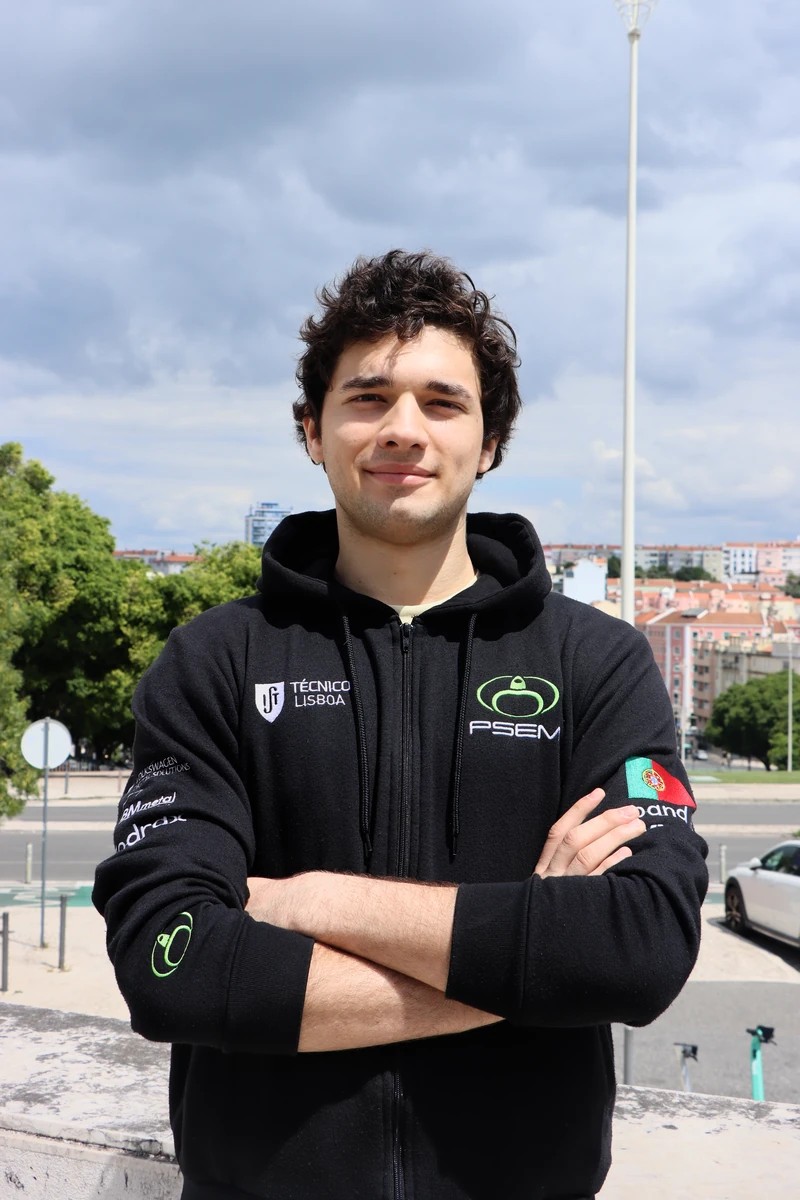
Photo of Duarte Biscaia

Duarte Biscaia

Team Coordinator & Systems Architect

  • Hardware: Lead for Circuits and Power Systems (Battery management).
  • Web: Lead Web Architect, focusing on site structure and backend.
  • Leadership: Coordinating team milestones and final integration.
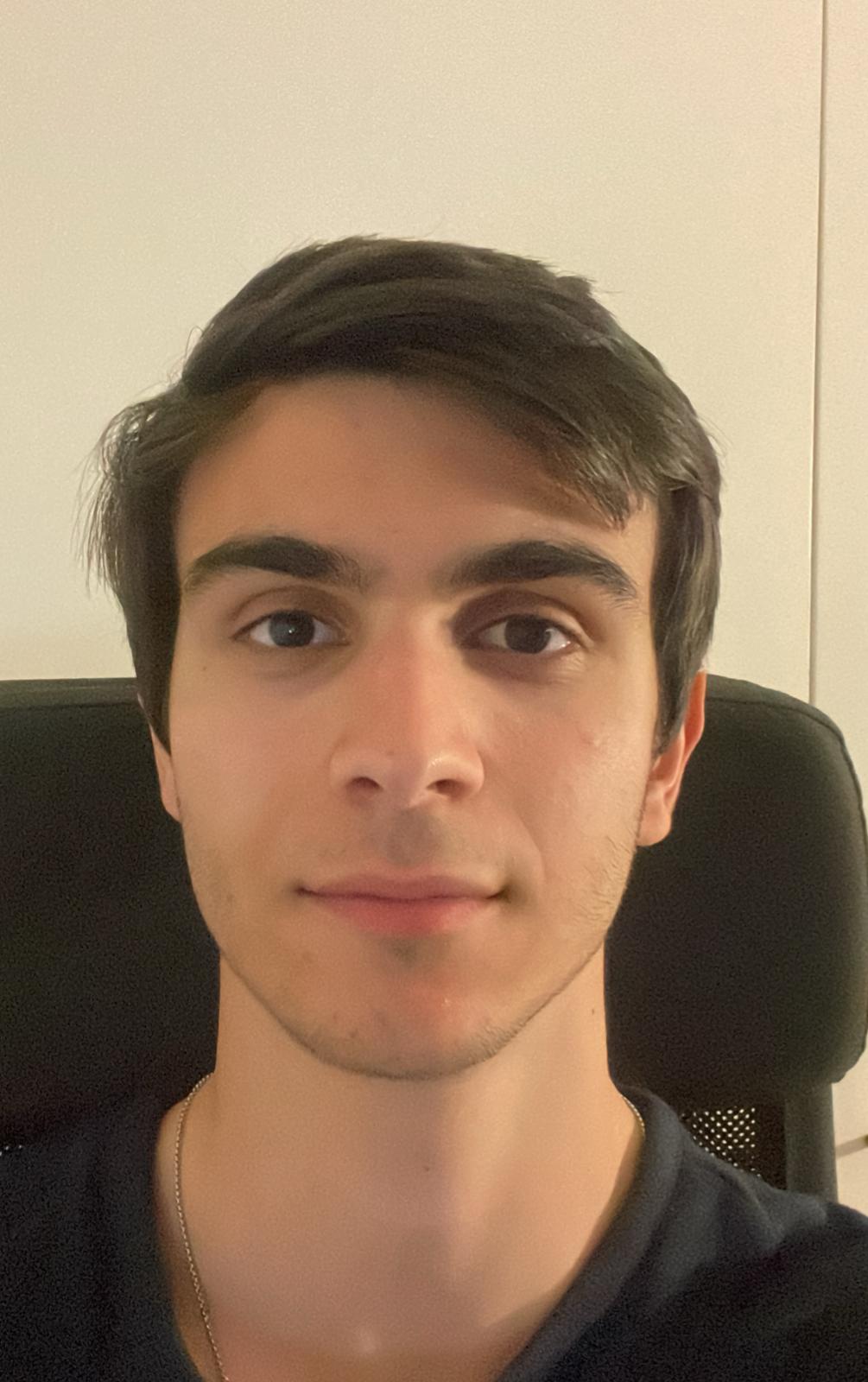
Photo of Tomás Santiago

Tomás Santiago

Industrial Designer & Web Developer

  • Manufacturing: Lead for 3D Printing, structural packaging, and mechanical balancing.
  • Web: Responsible for the Front-End development and visual layout of the project website.

Photo of Vivian Chipanga

Vivian Chipanga

Network Engineer & Operations Lead

  • Connectivity: Specialist in LoRa Mesh communication protocols.
  • Logistics: Lead for project resources, component sourcing, and timeline management.
  • Media: Contributing to the project Poster design and Pitch Deck.
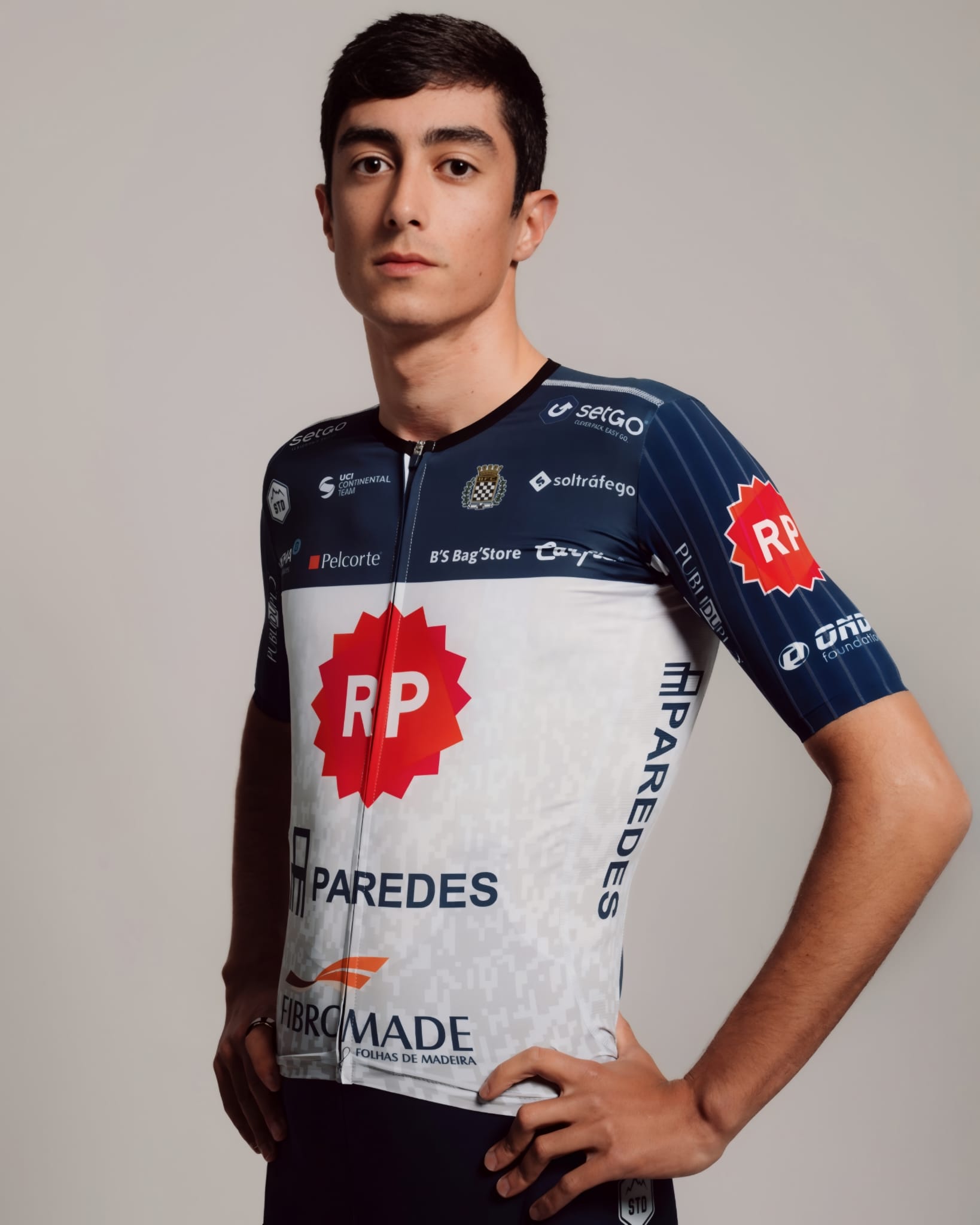
Photo of Afonso Lopes

Afonso Lopes

Data Scientist & Creative Director

  • Software: Developing the Data Acquisition software and telemetry systems.
  • Media: Directing the project's Creative Storytelling and presentation graphics.
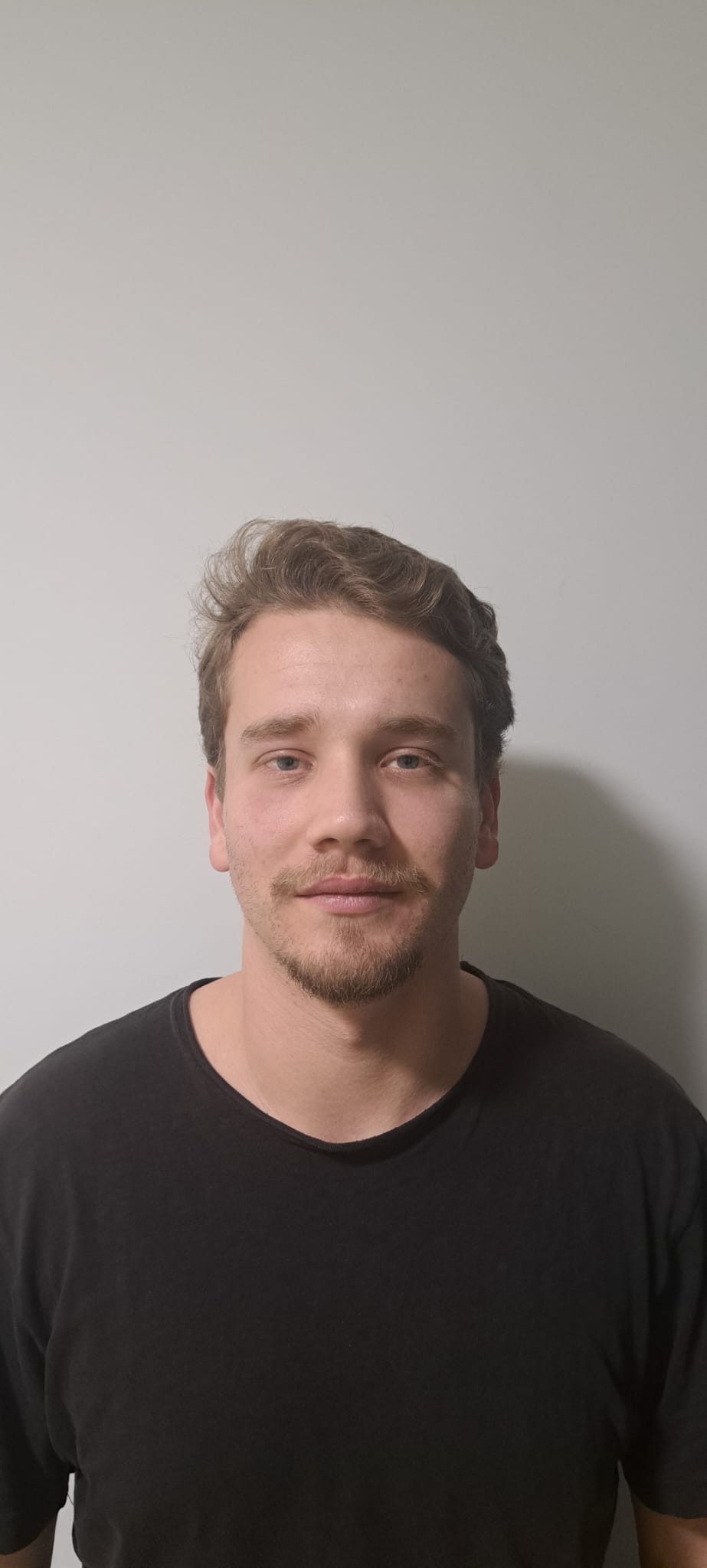
Photo of João Campos

João Campos

Full-Stack Developer & Media Producer

  • Software: Managing the Full-Stack integration between system interfaces.
  • Media: Lead for project Video production and visual assets for the pitch.

Development Blog

Week 15 May 25 – May 31, 2026 Done

Real-World Field Testing & System Validation

Week 15 focused on transitioning the project to real-world field testing by assembling our fully populated PCBs into the newly printed, ruggedized PETG enclosures. The team deployed these completed nodes in a simulated industrial outdoor environment, evaluating sensor exposure performance and mapping LoRa mesh network stability across various distances and structural obstacles.

Read More →
Week 16 Jun 1 – Jun 7, 2026 In Progress

Final Deliverables & ElectroDay Preparation

Week 16 focused on synthesizing our engineering data into final presentation deliverables for ElectroDay. The team polished the comprehensive pitch deck with field-testing telemetry, designed a high-resolution project showcase poster mapping out the hardware architecture, and utilized AI video tools to generate a polished system demonstration video.

Read More →
Week 17 Jun 8 – Jun 14, 2026 Upcoming

TBD

This week's content has not been determined yet. Check back soon..

Read More →

Week 1 Feb 18 – Feb 22, 2026 Done

Project Kickoff & Strategic Alignment

The team officially launched the project by defining the smart helmet's scope, assigning technical roles, and establishing a faculty mentorship schedule to guide the early development of the ElectroCap.

Read More →
Week 2 Feb 23 – Mar 1, 2026 Done

Requirements Engineering & System Design

The team finalized the project proposal and website while designing an event-driven system architecture and researching industrial partnerships, overcoming the challenge of learning web development from scratch.

Read More →
Week 3 Mar 2 – Mar 8, 2026 Done

First Prototype

Built the first working prototype of the core module. Ran initial tests to validate the basic architecture. Identified bottlenecks and documented them for the next iteration.

Read More →
Week 4 Mar 9 – Mar 15, 2026 Done

Core Development

Working on the main implementation based on feedback from the prototype phase. Refining the data flow and adding error handling. Unit tests are being written in parallel.

Read More →
Week 5 Mar 16 – Mar 22, 2026 Done

Core Hardware & Supply Chain Kickoff

Week 5 marked the official launch of the physical hardware phase by initializing the Altium project layout. Concurrently, the team continued building out the central codebase and kicked off the official Bill of Materials to secure the component supply chain.

Read More →
Week 6 Mar 23 – Mar 29, 2026 Done

BOM Finalization & Custom Hardware Modeling

TWeek 6 focused on finalizing the official Bill of Materials and developing custom Altium schematic symbols and footprints for components lacking manufacturer models. Meanwhile, the software team maintained steady progress on core codebase development in preparation for upcoming hardware integration.

Read More →
Week 7 Mar 30 – Apr 5, 2026 Done

Schematic Completion & Breadboard Validation

Week 7 focused on finalizing the Altium schematic and physically validating the circuit's electrical logic via breadboard testing. Simultaneously, the team brought isolated software testing to near-completion and began drafting the project pitch deck for upcoming stakeholder presentations.

Read More →
Week 8 Apr 6 – Apr 12, 2026 Done

PCB Layout Routing & Unified System Integration

Week 8 focused on launching the physical 2-layer PCB layout and trace routing in Altium while simultaneously merging isolated software modules into a unified codebase. Additionally, the team integrated system architecture and BOM data into the project pitch deck to finalize stakeholder presentation materials.

Read More →
Week 9 Apr 13 – Apr 19, 2026 Done

PCB Layout Refinement & Codebase Debugging

Week 9 focused on solving the complex routing bottlenecks of the 2-layer PCB layout within Altium and running rigorous Design Rule Checks. Simultaneously, the team transitioned to debugging the newly unified codebase to resolve I2C bus timing issues while conducting initial dry-runs of the pitch presentation.

Read More →
Week 10 Apr 20 – Apr 26, 2026 Done

Tape-Out Preparation & Code Stability Testing

Week 10 focused on completing the final Altium PCB cleanup—including silkscreen optimization and mounting hole placement—to generate manufacturing-ready Gerber and NC Drill files. Meanwhile, the software team shifted to long-run stability testing on the development kit, successfully identifying and optimizing memory constraints prior to board fabrication.

Read More →
Week 11 Apr 27 – May 3, 2026 Done

PCB Logistics, Component Procurement & Core Testing

Week 11 focused on purchasing the specific surface-mount and through-hole components needed to populate our incoming PCBs, which are currently in transit from the fabricator. Concurrently, the team initiated conceptual brainstorming for the ruggedized 3D enclosure and launched early-stage LoRa mesh network testing on development kits to optimize multi-node data routing.

Read More →
Week 12 May 4 – May 10, 2026 Done

Shipping Logistics & Extended Enclosure Modeling

Week 12 focused on managing the logistics of our incoming PCB and component shipments while shifting work entirely toward digital design and software refinement. The team advanced the ruggedized enclosure concepts into detailed 3D CAD models with integrated PCB mounting standoffs and used development kits to expand our simulated LoRa mesh network testing.

Read More →
Week 13 May 11 – May 17, 2026 Done

Hardware Arrival & Initial Quality Control

Week 13 focused on unboxing and inspecting our incoming 2-layer PCBs and surface-mount components, using multimeters to run baseline continuity tests on the unpopulated boards. Additionally, the team decided to freeze the 3D packaging track and hold off on 3D printing until the boards are fully soldered, ensuring enclosure designs account for exact physical component clearances.

Read More →
Week 14 May 18 – May 24, 2026 Done

Physical Board Assembly & Enclosure Metrics

Week 14 focused on manually soldering and assembling the surface-mount and through-hole components onto our custom 2-layer PCBs, followed by successful power-on electrical verification. With the hardware fully populated, the team used digital calipers to capture precise component heights and clearances, providing the exact real-world dimensions needed to finalize our 3D packaging and enclosure CAD models.

Read More →
Week 15 May 25 – May 31, 2026 Done

Real-World Field Testing & System Validation

Week 15 focused on transitioning the project to real-world field testing by assembling our fully populated PCBs into the newly printed, ruggedized PETG enclosures. The team deployed these completed nodes in a simulated industrial outdoor environment, evaluating sensor exposure performance and mapping LoRa mesh network stability across various distances and structural obstacles.

Read More →
Week 16 Jun 1 – Jun 7, 2026 In Progress

Final Deliverables & ElectroDay Preparation

Week 16 focused on synthesizing our engineering data into final presentation deliverables for ElectroDay. The team polished the comprehensive pitch deck with field-testing telemetry, designed a high-resolution project showcase poster mapping out the hardware architecture, and utilized AI video tools to generate a polished system demonstration video.

Read More →
Week 17 Jun 8 – Jun 14, 2026 Upcoming

TBD

This week's content has not been determined yet. Check back soon..

Read More →

Week 18 Jun 15 – Jun 21, 2026 Upcoming

TBD

This week's content has not been determined yet. Check back soon.

To be determined.
Week 19 Jun 22 – Jun 27, 2026 Upcoming

TBD

This week's content has not been determined yet. Check back soon.

To be determined.

Partners

Instituto Superior Técnico Instituto Superior Técnico DEEC DEEC — IST Altium Altium Aisler Aisler

Contact Us

Email vertexshell.ist@gmail.com
Address Av. Rovisco Pais 1, 1049-001 Lisboa, Portugal
Institution Instituto Superior Técnico
VertexShell VertexShell
IST Student Project