During the mid-program phase, our team refined the ElectroCap prototype requirements and architecture to ensure maximum clinical accuracy and energy efficiency. This post now contains the full technical documentation previously available in our internal reports.
1. Objective and Problem
The project focuses on preventing heatstroke and dehydration in workers exposed to extreme thermal stress. ThermBand estimates Core Body Temperature using non-invasive sensors and advanced predictive algorithms.
2. Risk Evaluation Logic: PSI and Heat Index
Our system doesn’t just monitor temperature; it calculates risk based on established physiological and environmental indices.
Physiological Strain Index (PSI)
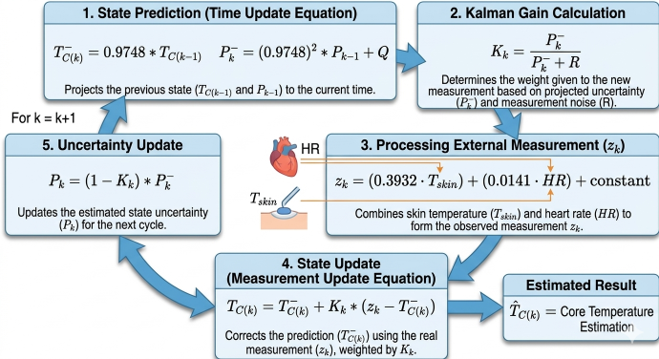
The PSI is a scale developed by Moran et al. (1998) to evaluate the combined strain of heart rate and core temperature. Our implementation uses real-time HR and estimated Core Temp to trigger tiered alerts.
Environmental Heat Index
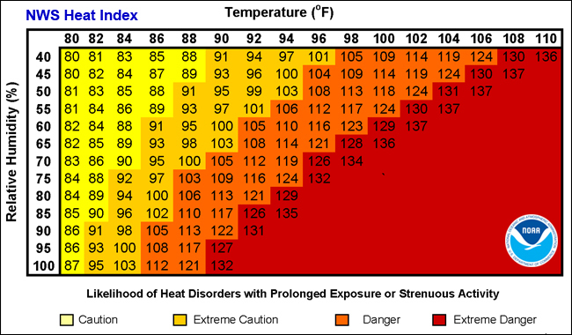
By integrating ambient temperature and humidity sensors (SHT4x), we calculate the Heat Index, which represents how the environment “feels” to the human body. This context is vital for adjusting the alert thresholds of the wearable.
3. Proposed Solution & Architecture
Our solution is a non-invasive armband equipped with clinical-grade I2C sensors. The architecture is designed for local edge processing.
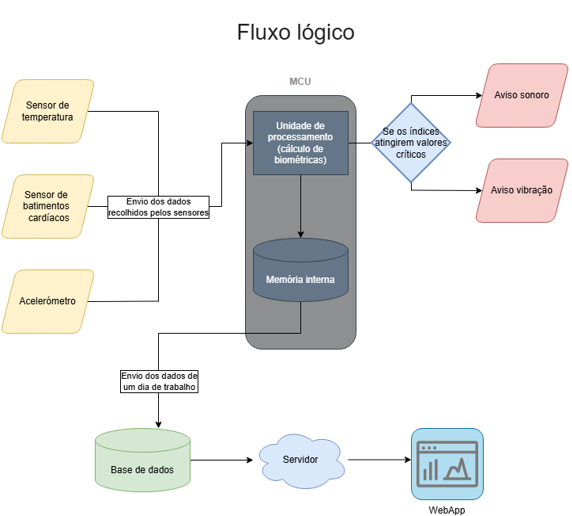
- Microcontroller: XIAO ESP32-C6, selected for its advanced power management and dual-mode operation.
- Biometric Fusion: Real-time fusion of Heart Rate and Skin Temperature using a Kalman Filter based on the USARIEM validated model for core body temperature estimation.
- Energy Strategy: The system remains in deep sleep for most of the operation, using RTC memory to accumulate readings before batch-writing to Flash every 10 minutes.
4. Wiring and Sensor Integration
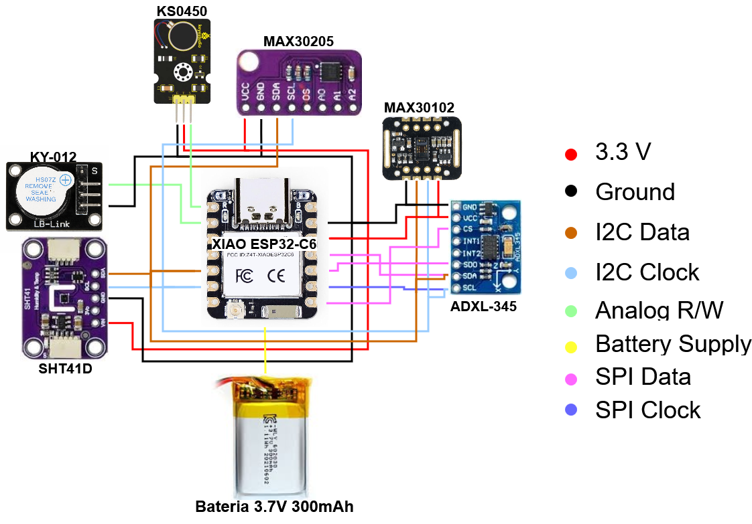
The device uses the I2C protocol (SDA/SCL) for multi-variable sensor reading. This ensures high precision with minimal wiring complexity.
5. Summary of Technical Specifications
| Parameter | Requirement |
|---|---|
| Microcontroller | XIAO ESP32-C6 |
| Battery Autonomy | 8-10 Hours (Full Shift) |
| Sleep Power | < 0.05 mW |
| Active Power | < 65 mW |
| Total Weight | < 100g |
| Data Persistence | 4MB Internal Flash (LittleFS) |