Eleventh Week - Refining What is Built




Table of Contents
Introduction
After a series of weeks packed with exploration, learning, and bold shifts, Week 11 marked a necessary change of pace - one focused less on expanding and more on refining. With most of our system’s core modules already underway, this week was about testing, adjusting, optimizing, and making sure everything is working not just individually, but as a whole.
It may not have been the flashiest phase of the project, but it was one of the most important.
Our Developments
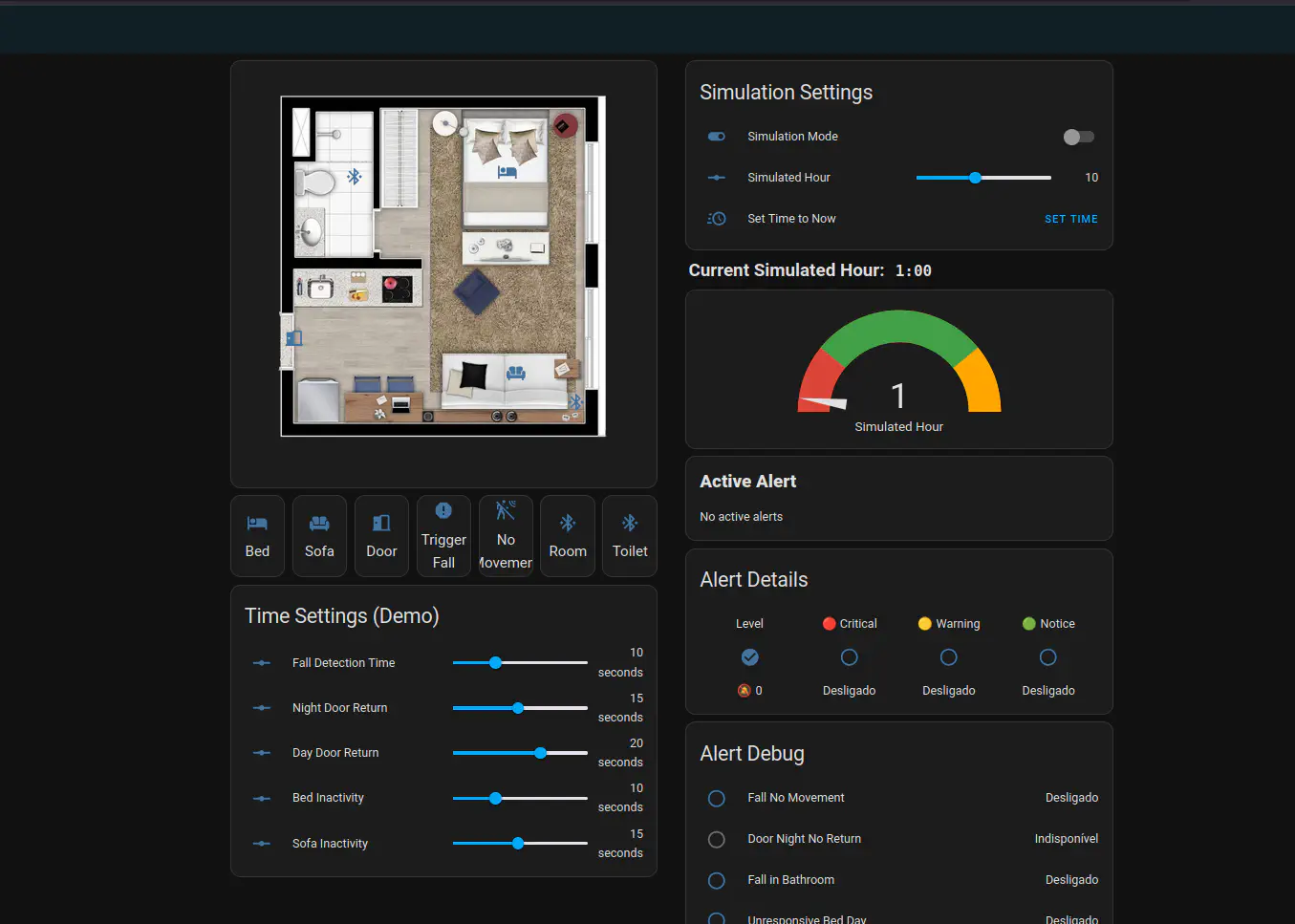
Home Assistant: Smarter Automations & Dashboard Polish
With the Home Assistant backend nearly integrated, we spent time this week refining the system’s automations, alert logic, and interface design.
We adjusted trigger conditions, added new sensors to the dashboard and made the interface more intuitive and user-friendly. These improvements helped translate our backend logic into a smoother, more accessible front-end experience - crucial for the people who’ll eventually interact with it.
Fine-Tuning the Detection Logic
On the software side, we revisited the presence and door sensor code developed last week. The goal was clear: minimize false positives and improve event reliability. We spent time adjusting thresholds, refining signal processing logic, and improving the interaction between sensors and the microcontroller.
We ran tests under varied real-world conditions to validate the improvements - and while there’s always room to iterate, the results were a strong step forward.
ESP32 Integration: Relaying the Signals
This week also marked the beginning of work on the ESP32’s embedded logic, a key puzzle piece in our architecture.
Besides acting as Bluetooth beacons for indoor localization, the ESP32 boards now take on an additional role: retransmitting BLE data over MQTT to our central Raspberry Pi hub. This approach reduces the power demands on individual sensors and improves the system’s communication efficiency - both essential for a stable in-home monitoring setup.
Learning from Industry: IoT Seminar by NOS
Mid-week, most of us attended a seminar hosted by a member of NOS, one of Portugal’s leading telecom providers, focused on IoT and smart home communication protocols.
It gave us a clearer view of how different devices communicate in a home environment, which protocols are best suited for different types of data and how to manage connectivity, reliability and interoperability - all of which are extremely relevant to the system we’re building.
Revisiting the Wristband Design
João returned to the 3D model of our wearable, incorporating feedback from the first round of reviews and technical constraints that became clearer during sensor testing.
This version featured small but important structural tweaks - like reinforcing support points and optimizing the internal layout - to prepare it for 3D printing and real-world use.
Regrouping and Realigning the Workflow
As we fine-tuned the system, we also took a step back to organize our workflow, align responsibilities and clearly document our progress.
Having each module in a more stable state gave us the opportunity to clean up our processes and ensure that everything - from development to testing to documentation - is aligned and on track.
Week Recap
Week 11 wasn’t about big reveals. It was about making what we’ve already built stronger, smarter and more cohesive.
We’re in a critical stretch now - and laying a reliable foundation is what will allow us to finish strong.
As we head into the final weeks, the focus will shift toward:
-
Real-world testing of sensor events
-
Physical printing and wristband prototyping
-
Finalizing system logic and presentation planning
We’re closing in - and each new refinement brings us closer to the final picture.