Twelfth Week - Connecting the Dots



Table of Contents
Introduction
With Week 12 underway, the focus shifted from isolated modules to something much more ambitious: full system integration. After several weeks of development across parallel tracks — sensors, backend logic, interface design — the time had finally come to bring everything together into a unified ecosystem.
The transition wasn’t exactly smooth. As expected, connectivity and communication issues made this one of the more technically demanding weeks so far. But every challenge overcame brought us one step closer to a fully operational prototype.
We kicked things off with a divide-and-conquer approach: each team member took ownership of programming and deploying a specific sensor, while Gonçalo Barbosa handled the Raspberry Pi, which serves as the brain of the system.
This parallel setup allowed us to troubleshoot, iterate, and fine-tune each module in depth — making sure every piece was ready for integration.
Our Developments
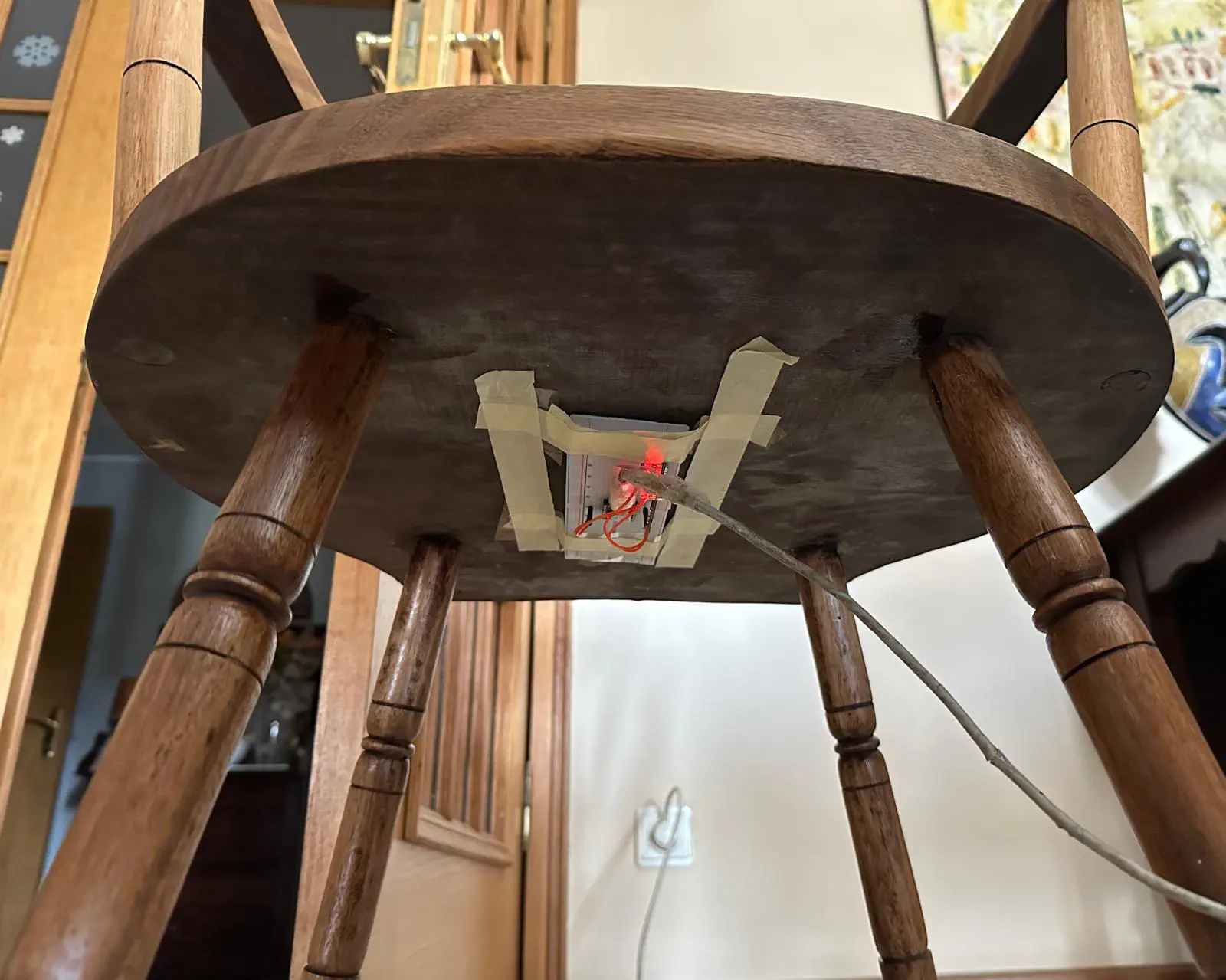
Sensor-Hub Communication
Although our sensors had been successfully tested in isolation, things got more complicated once we began integrating them into the Home Assistant platform.
Some sensors were recognized and communicated without issue. Others… not so much. We spent much of the week debugging MQTT topics, checking for unique identifiers, and adjusting code to match Home Assistant’s specific data formatting.
It was slow work, but necessary — and incredibly rewarding once those first stable readings started flowing through the dashboard.
Networking Headaches
One of the biggest hurdles this week was getting the devices to communicate reliably on a shared network. Our first attempt involved connecting to eduroam, the campus Wi-Fi, but we quickly ran into issues with security restrictions and firewalls that made it unsuitable for IoT communication.
We tried a wired Ethernet connection next, which worked — but was far from ideal in terms of mobility. The breakthrough came after hours of trial and error: setting up a local hotspot-based network. It gave us full control over the environment and finally allowed stable communication between all devices.
Not the easiest detour — but definitely a turning point.
Week Recap
Week 12 was a classic “deep tech” kind of week: no flashy new features, but critical behind-the-scenes progress. We moved from individual parts to something resembling a true system — one that communicates, reacts, and adapts in real time.
With the major networking and communication bugs out of the way, the next step is clear: bring every sensor online under a single system and start testing how they behave in real conditions.
This phase will help us catch any unexpected interference, timing issues, or misreadings when all components are running simultaneously — and give us the chance to calibrate for accuracy and stability before Demo Day.
Now that the pieces are connected, it’s all about precision, polish, and preparing for the final stretch.