Thirteenth Week - Prototype Testing




Table of Contents
Introduction
As Week 12 closed the chapter on integration, Week 13 opened a new one: finalizing our prototype and preparing to tell its story. With the core modules in place — from sensors to backend, and from logic to layout — our focus shifted toward testing, user interaction and resolving some of the final technical bottlenecks before the upcoming delivery.
Although we didn’t introduce many new components, this was one of the most critical weeks in defining the project’s real-world feasibility.
Our Developments
Testing the System in Lab
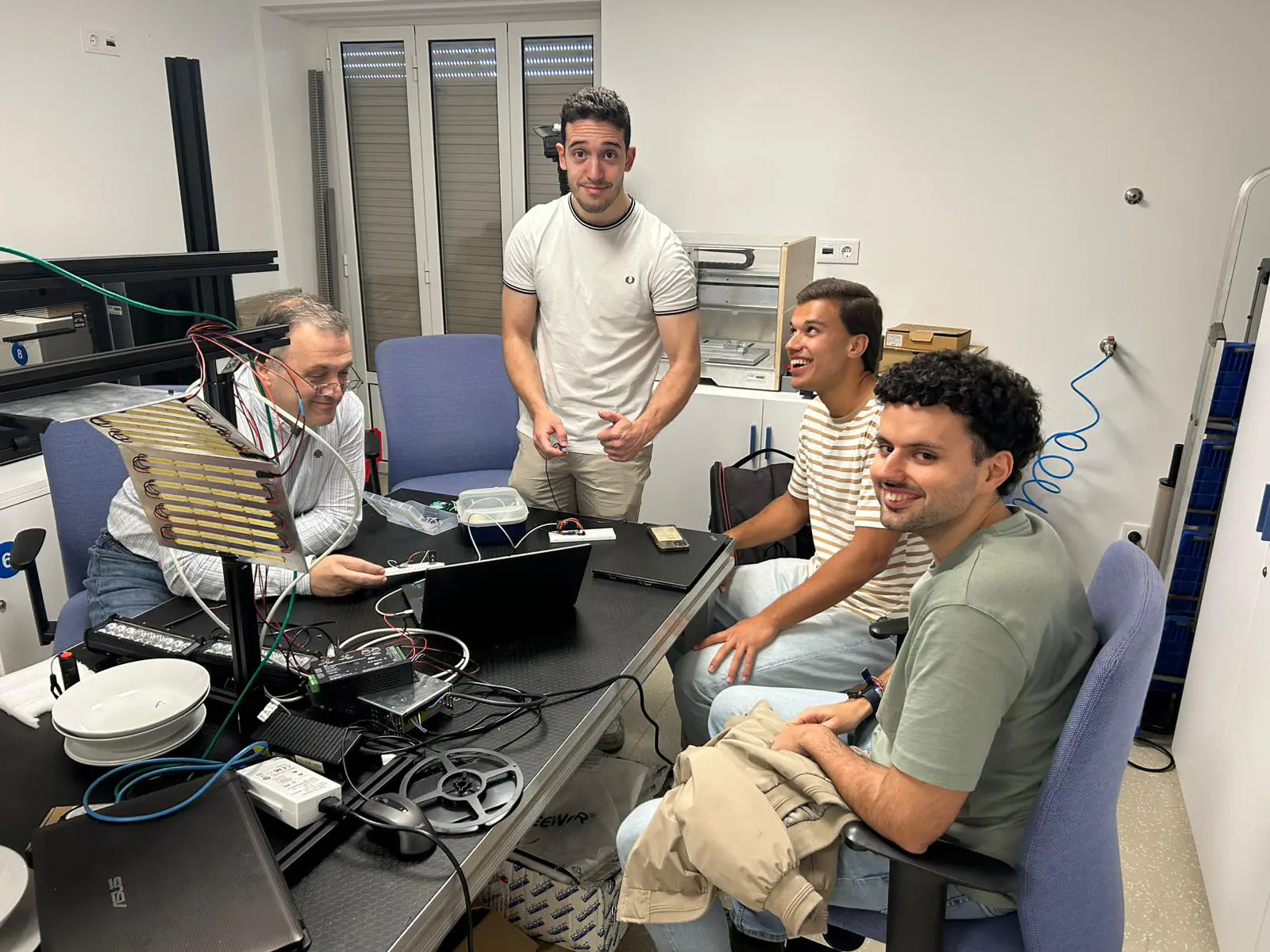
The week began with enthusiasm as we started testing our system under various conditions. However, this excitement was quickly tempered by unexpected inconsistencies in the readings — especially from the accelerometer-based modules. At times, the motion detection worked perfectly, but in others, the sensors behaved erratically or failed to trigger as expected. These irregularities raised concerns, particularly with how current and voltage fluctuations might be affecting sensor behavior.
Faced with these issues, we realized that deeper hardware diagnostics were required — beyond what we could solve on our own. That’s when we decided to head to the INESC laboratory mid-week, where we could use more precise equipment and get technical guidance.
-
Precise Measurements: Using lab-grade multimeters and oscilloscopes, we measured actual current draws and voltage levels across our power rail—insights that simply aren’t possible with breadboard setups.
-
Power Supply Exploration: We consulted with INESC technicians on alternative battery chemistries and configurations, weighing size, weight, and capacity to find the right balance for our wearables.
-
Connection Stability: While soldering sensors into a more permanent form factor, we stress‑tested every joint, confirming that our wiring harness could withstand daily use without signal dropouts.
By day’s end, we not only identified and corrected a faulty ground trace on one accelerometer module but also emerged with a clear plan for powering the wristband reliably over extended periods.
Real-World Validation
Back in our workspace, the rest of the week belonged to testing and refining:
-
Sensor Accuracy Trials: We ran multiple scenarios—sitting, standing, door opening—logging hundreds of events to ensure our detection thresholds were both sensitive and selective.
-
Alert System Checks: From motion triggers to simulated falls, we validated that notifications arrived on time and with the correct context.
In parallel with the testing, we also completed the physical assembly of the wristband prototype. With all components now soldered and secured inside the 3D-printed casing, we finally reached the intended size and form factor for the wearable. The structure felt solid, light, and — most importantly — ready for real users to try.
To gather early impressions, we invited a few older individuals from our personal circles to interact with the system. While we couldn’t run a full test scenario with caregivers due to time constraints, we did focus on immediate feedback related to comfort, usability, and aesthetics. The response was surprisingly positive. One participant smiled and said, “It’s not only comfortable, but also colourful — it kind of makes my day happier.” Others commented on how easy it was to put on and wear throughout normal movement.
These interactions were incredibly meaningful. They confirmed that our focus on discreet, friendly design had paid off — and even without a full longitudinal test, we could already see the value the solution might offer in a real-life setting.
Looking Ahead
Toward the end of the week, with the technical base more stable and positive user impressions in hand, we began lightly sketching out how we’ll tell the full story of Who?Cares. Without diving too deep into final production (reserved for the final week), we started outlining the structure of our demo video and identifying which moments we wanted to highlight — both from a functional perspective and an emotional one.
We also began defining the tone and purpose of the visual assets, making sure everything aligns with the spirit of the project: a technically robust yet human-focused solution that supports independence and peace of mind.
This wasn’t about presentation just yet — rather, about laying the groundwork for how we want our work to be experienced by others.
Week Recap
Week 13 was defined by precision and polish. It wasn’t about introducing new features or modules, but rather making everything we had actually work in the way we imagined from the start. Through rigorous testing, thoughtful iteration, and valuable user feedback, we saw the system begin to reflect its original vision — not just as a technical prototype, but as something real, tangible, and meaningful.
As we move into the final week, our focus will be on implementing the last technical details, finalizing the visual communication, and preparing the delivery that will encapsulate months of effort, learning, and collaboration.
The finish line is now in sight.